Class and visit punch cards
Each box on a ten-class card needs a mark that proves the class was taken. A small bold stamp with the club name fills a box in a second as members come through the door.
Stamps for gyms, fitness studios and martial arts clubs
Gyms, boxing clubs and dojos still run on more paper than their booking apps suggest: ten-class punch cards, membership cards, grading certificates, receipts for fees paid at the desk and tags on locker keys. StampDr's stamp maker lets you design those stamps in one place, from a club crest to a bold mark for class cards and a PAID stamp for the front desk. Check each one at its real size, then download a file for your stamp maker or for adding the stamp to PDF receipts.
Click a design to edit it: a sample club is already filled in. Change the name, initials and wording to match your gym, studio or dojo.
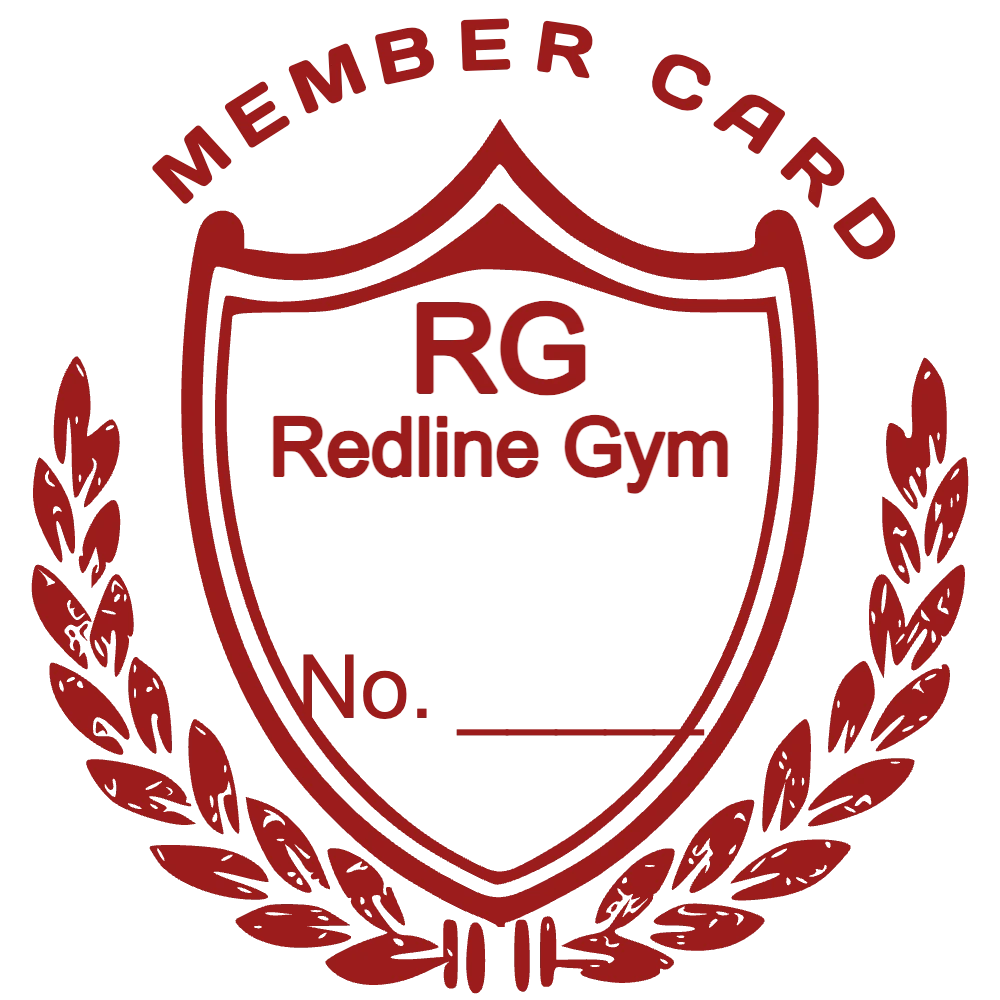
For membership cards, welcome packs and member forms.
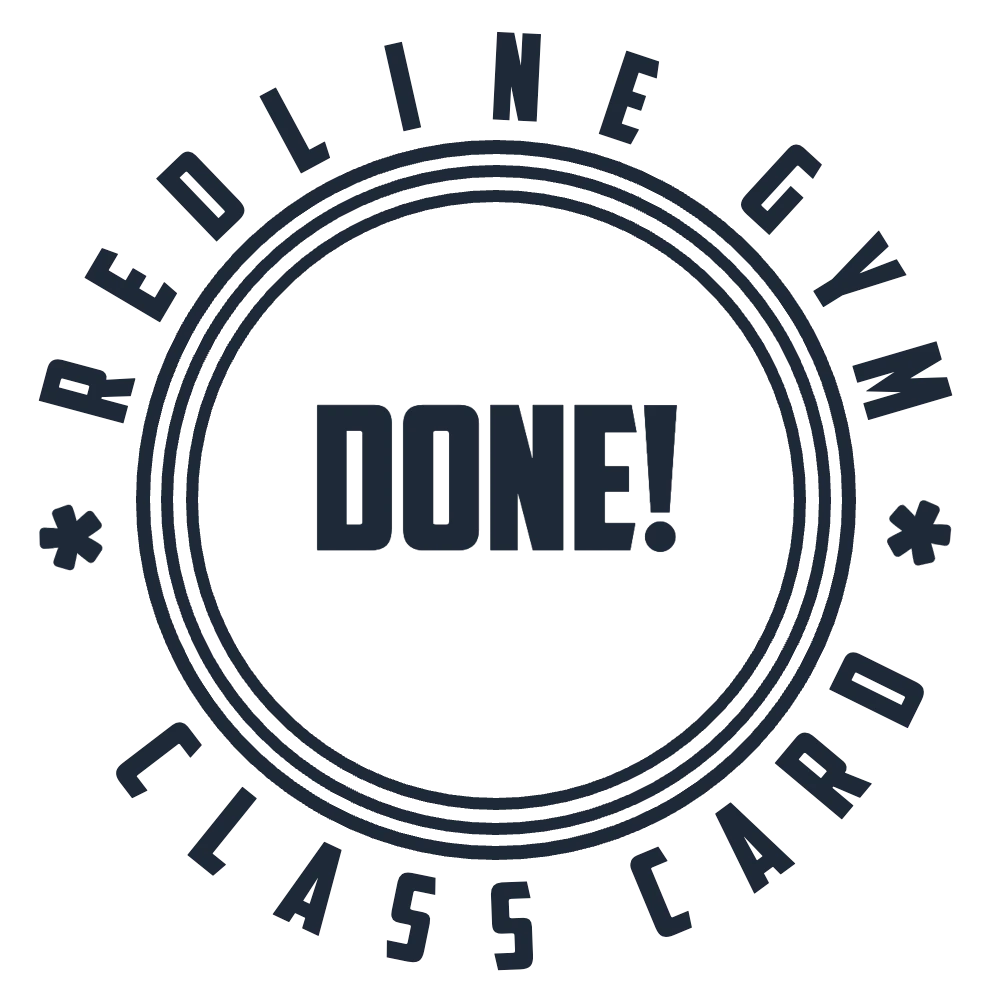
Open in editorFor ten-class punch cards and attendance sheets.
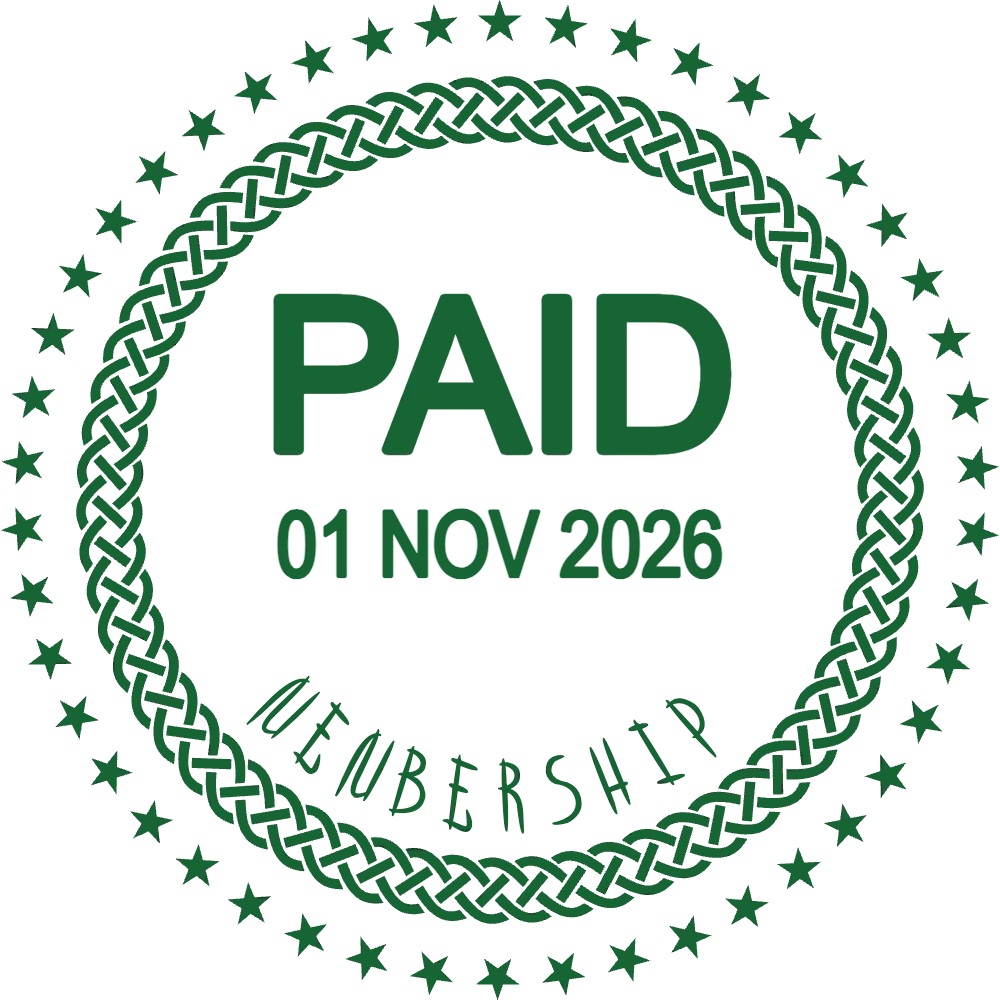
Open in editorFor monthly fee receipts, day passes and personal training invoices.
Open in editorBookings may live in an app, but the front desk still hands out cards, takes cash and signs off gradings. A stamp makes those moments quick and gives them a mark members cannot easily draw themselves.
Each box on a ten-class card needs a mark that proves the class was taken. A small bold stamp with the club name fills a box in a second as members come through the door.
Stamp the crest and a member number line on blank cards and write the name and expiry by hand. When prices or terms change, there is nothing to reprint.
Monthly fees, drop-in classes and personal training sessions paid in cash still need a receipt. PAID with the date ends arguments about which month was covered.
Martial arts clubs stamp belt grading records and certificates beside the instructor's signature, so it is clear which club held the grading.
Each stamp has a single job at the desk, so each needs different wording. These are the lines gyms and clubs use most:
Is the stamp for punch cards, receipts or membership cards? Open the matching design above, or a blank round or rectangle.
Type the club name, swap the initials for yours and upload a one-colour logo if you have one.
Measure a box on your punch card: most need a stamp of 15 to 20 mm. Receipt and membership stamps work at 30 to 40 mm.
A transparent PNG goes onto digital receipts and PDF certificates; SVG, EPS or PDF files go to the maker of your rubber or self-inking stamp.
Condensed bold fonts stay readable when a stamp is tiny and pressed in a hurry at the door. Thin script fonts fill in after a few hundred presses.
A self-inking stamp re-inks itself between presses, which suits a desk that stamps dozens of cards an hour.
Use one colour for class cards and another for PAID, so staff can tell at a glance what a mark means.
Cards live in gym bags and locker tags get wet. Laminate cards after stamping, and use a fabric ink if you mark towel bags or tote bags.
Measure one box on your card and take off 2 to 3 mm. Most class cards have boxes of 15 to 20 mm, so a round stamp of about 15 mm fits.
Yes, as the club's own mark next to the instructor's signature. It does not make a grade recognised by a national federation or governing body; their rules and certificates are separate.
Yes, with a fabric ink. Design that stamp with bold lines and no tiny text, because cloth spreads ink more than paper does.
Yes. Upload it in the editor and put it on the shield or in the middle of a round layout. Logos with gradients or photos need a single-colour version first.
Designing costs nothing, and neither does the preview. You pay at the point of download: once for a single file, or with a monthly, yearly or lifetime plan if you expect to make more stamps.
Open the crest, the class-card mark or the PAID stamp, add your club's name and check the size against a real card.
Professional online stamp maker. Create custom stamps with ease and precision.